 SimSmsBox
 Quick answer: Phone number recycling is when a carrier reassigns a long-inactive mobile number to someone new. If the previous owner never unbound it, OTPs, bank alerts, and even account recovery texts can land on the new handset — that’s the “recycled number” risk.
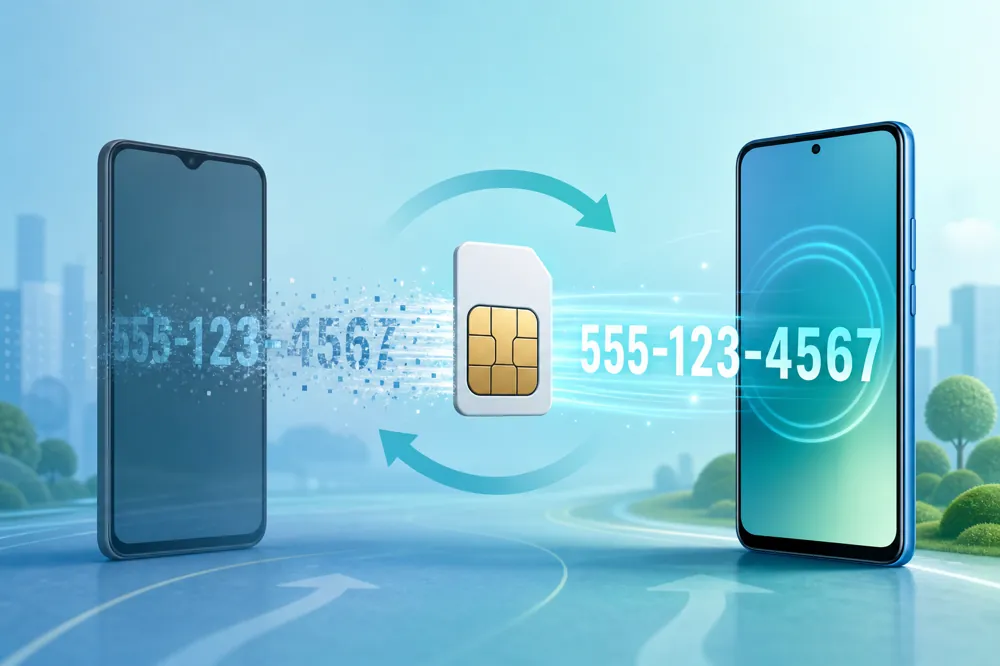
Your brand-new number starts getting someone else’s codes; or months after you canceled a line, you can’t recover an old inbox — both often share one cause: the carrier recycled the number and sold it again. For SMS verification and account security, this is more common than it sounds.
1. Why numbers get recycled
Numbers are finite. After unpaid cancelations, long suspensions, or abandoned lines, carriers wait through a “cooling” period, then return the digits to the available pool. Cooling windows vary by country and operator — months in some places, shorter in others.
That creates two sides of the same problem:
- Previous owner: assumes the number is gone, but apps, email, and banks may still SMS that digit string.
- New owner: activates the line and immediately receives stranger OTPs, spam, and private alerts.
2. Risks for the previous owner
| Risk | What it means |
|---|---|
| Account takeover | Someone completes SMS-based password reset |
| Privacy leak | Bills, travel, medical texts hit a stranger |
| Social-engineering fuel | Old message context used to impersonate you |
Before you cancel or change numbers, move important 2FA to an authenticator app, email, or backup codes, and unbind the old phone number.
3. What new owners should do
If you get codes you didn’t request, don’t panic — and don’t read them to anyone.
- Don’t “try logging into” apps that seem tied to the previous owner.
- If a platform says the number is taken, use official rebind/support flows instead of forcing a login.
- For heavy floods, follow OTP bombing guidance and report recycled-number spam to the carrier.
4. Why SMS platforms care
Numbers from an SMS verification platform are inherently time-shared: ranges rotate, short rentals end, digits may be reassigned.
- Short verifications (signup codes) fit rented numbers.
- Long-lived 2FA should not stay on a short rental — move to an authenticator or a number you control.
- Fraud teams can combine HLR lookups with number age/reputation to reduce “just recycled, used for stuffing” abuse.
FAQ
How long is the cooling period?
It depends on the carrier. When you change numbers, assume the old digits will eventually reach someone else.
I got a bank SMS on a new number — call the police?
Don’t use the code. Tell the bank/platform the number changed hands. Report persistent sensitive spam to both carrier and provider.
Does number porting trigger recycling?
Normal porting keeps the number with you. The danger is cancelation/disconnect followed by reassignment.