 SimSmsBox
 Quick answer: A disposable phone number (temporary or “receive-code” number) is a use-and-toss number for catching sign-up verification codes so you don’t have to hand over your real number. It’s great for one-off, low-risk sign-ups — but wrong for long-term, important, or money-related accounts, because the number gets recycled and someone else may get it later.
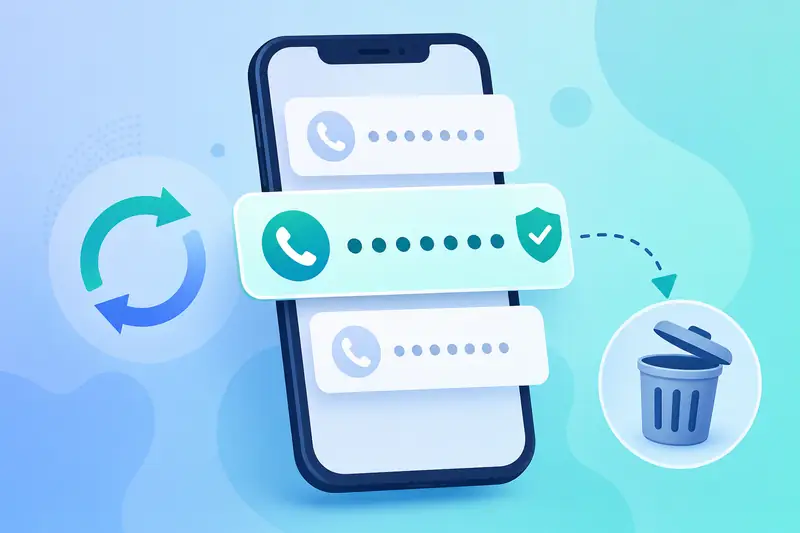
You want to try an app without handing over your everyday number; or you’re signing up for an overseas service and your local number won’t receive the code. That’s where a disposable phone number helps. But it’s not a cure-all — use it in the wrong place and you can lose an account. This guide covers what it is, when to use it, the pitfalls, and how to use it safely.
1. What a disposable phone number is
A disposable number is a temporary number supplied by an SMS platform: the platform holds a large pool of real or virtual numbers, and for a tiny fee you “rent” one for minutes to hours to receive a code, then release it back to the pool. The key difference from your own number is simple — you don’t own it long term.
To understand the “origin” difference behind numbers, start with Real SIM vs virtual numbers: disposable pools contain both real SIM and virtual numbers, and their delivery rates differ a lot.
2. When it fits — and when it doesn’t
Good for:
- Trying an unfamiliar app, forum, or promo that needs one verification;
- Emergency sign-ups for overseas services when your local number won’t receive;
- Multi-account work, catching codes for secondary accounts to protect your main number.
Not for:
- Bank, payment, or main social — anything long-term and important;
- Accounts that need to receive codes repeatedly (password recovery, 2FA);
- Anything tied to money or identity verification.
The reason is simple: temporary numbers get recycled, and the next person who rents it may receive your codes, threatening your account.
3. Pitfalls you must know first
- The number gets recycled: don’t treat it as a lasting contact, and never set it as an account’s only recovery method.
- It may be pre-used: heavily reused ranges can trip risk controls, showing “already registered” or getting rejected.
- Virtual numbers are often refused: strict platforms (Telegram, finance, AI) block virtual ranges — prefer real SIM numbers.
- Non-delivery is common: it may be a country mismatch, too little waiting, or a flagged range. If you don’t have a suitable number, you can receive SMS online without a SIM.
- Mind the validity window: a temporary number only receives during its rental window — don’t wait too long.
4. How to use a disposable number safely
- Use it for one-off verification only: don’t keep depending on that number afterward.
- Give important accounts a separate recovery method: bind your own real number or email as backup; never hand your lifeline to a temporary number.
- Match the source to the target: strict platforms → real SIM numbers; casual trials → cheap virtual numbers.
- Test small first: run one code through the target service at minimal cost before scaling up.
- Release when done: finish verification promptly and release the number to shrink the window for reuse.
For a deeper look at pricing before you buy, see SMS verification pricing; for the bigger privacy picture, see protect your phone number privacy.
FAQ
Q: Are disposable phone numbers legal? The numbers and the receiving service are generally legal — what matters is how you use them. Compliant use is fine; don’t use them for fraud or to break a platform’s terms.
Q: Why won’t my rented number receive the code? Common causes: the target rejects virtual numbers, a country/range mismatch, or not waiting long enough. Switching to a real SIM number in the right country usually fixes it.
Q: Can I register a long-term account with a disposable number? Technically yes, but strongly discouraged. Once the number is recycled, you may permanently lose the ability to recover that account.
Takeaway
Disposable phone numbers are a great ally for privacy and convenience, but their role is a temporary verification tool, not a lasting identity. Remember one rule: the more important the account, the less it should rely on a number that gets recycled. Use the right scenario, release when done, and give important accounts a separate backdoor — you’ll stay both convenient and safe.