 SimSmsBox
 Searching for an SMS platform in 2026 usually means one question: can you still get codes reliably, and what should you check before you top up? The brand list changes every year — the selection rules don’t.
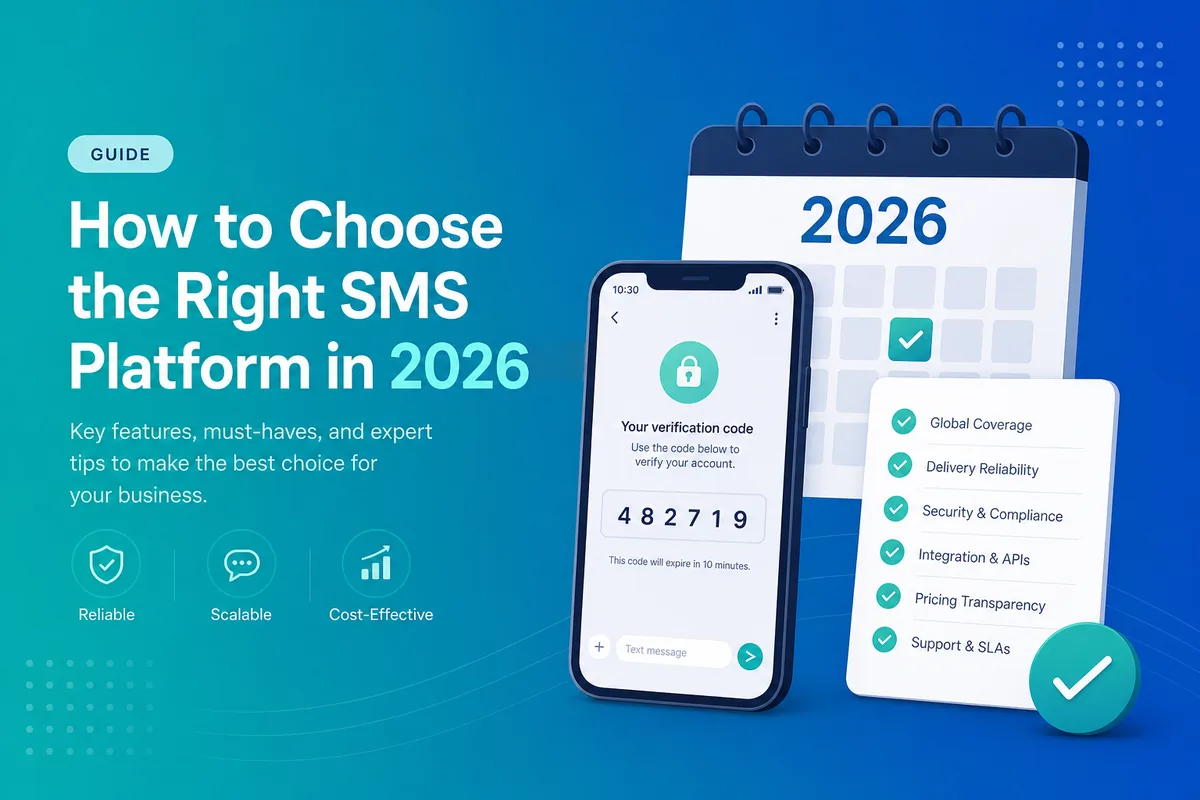
What changed in 2026
- Popular apps tightened risk checks — VoIP / virtual ranges fail more often.
- Real-SIM numbers carry a clearer premium over cheap virtual ranges.
- Free shared inboxes are mostly useless for anything important.
- API stock + “no charge if no SMS” matters more for bulk work.
New to the category? Start with How to choose an SMS platform.
A 2026 checklist that still works
| Check | Why it matters | How to verify |
|---|---|---|
| Delivery rate | Determines whether you finish signup | Small live test on 3–5 services |
| Number source | Real SIMs clear risk checks more often | Prefer physical / real-SIM labeling |
| Billing rules | Drives real cost | Prefer no charge when SMS fails |
| API quality | Required for automation | Documented order + poll endpoints |
| Privacy | Reduces reuse / recovery risk | One number, one job; release when done |
Pick by scenario
- Occasional personal signups: pay-per-use + wide country coverage.
- Strict apps (messengers, some fintech): real SIM + country aligned with your network.
- Bulk / multi-account: stock and concurrency beat the cheapest per-SMS price.
- Developers: stable API and polling — see Automated ordering and polling.
Wrap-up
In 2026, choose with a checklist and a small live test — not a screenshot of someone else’s success rate. Hands-on flow: How to use an SMS platform.